金星上的一天比一年还长,而且太阳从西边升起
 Detetive Curioso
·4 分钟阅读·太空·66 次浏览
金星自转一周需要243个地球日,绕太阳一周却只要225天。而且它是反向自转的。
本文尚未翻译。
On Earth, a day is short and a year is long. On Venus, it is the other way around. Our neighboring planet takes about 243 Earth days to spin once on its axis, but only about 225 Earth days to complete one orbit around the Sun. In other words, a single Venusian day lasts longer than a Venusian year.
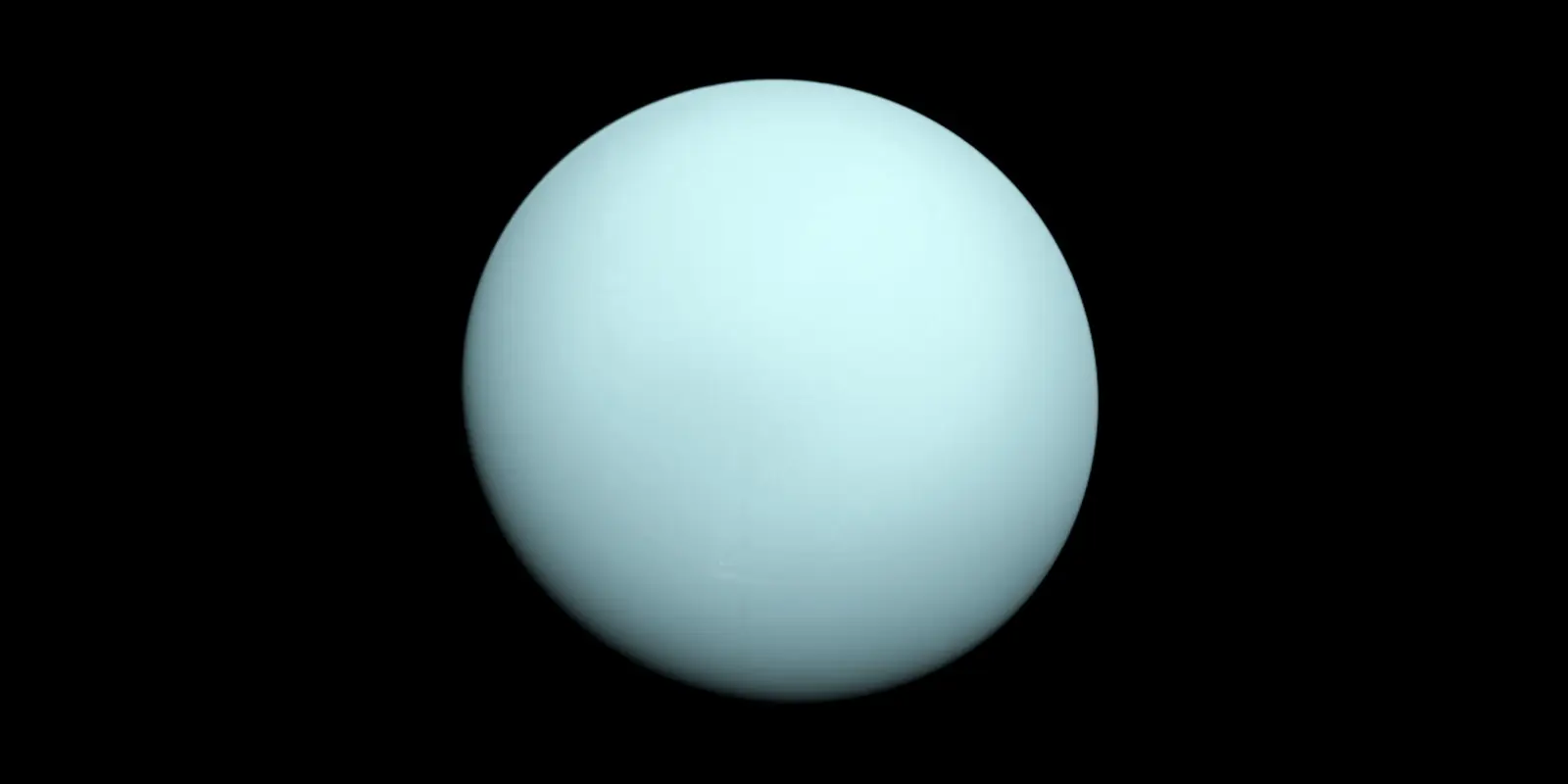
Venus has the slowest rotation of any planet in the solar system, and it turns the "wrong" way. Most planets, including Earth, spin in the same direction as they orbit the Sun. Venus spins in the opposite direction, which astronomers call retrograde rotation. Uranus is the only other planet that does this. So if you could stand on Venus and see through its clouds, the Sun would rise in the west and set in the east. Even so, it is not the strangest sky in the neighborhood: on Mars, sunsets are blue.
There is a twist. Because Venus rotates slowly backwards while it moves around the Sun, the time from one sunrise to the next, called a solar day, is shorter than a full spin: about 117 Earth days. That means the Sun rises roughly twice in one Venusian year, even though the planet has not yet finished a single rotation. An afternoon on Venus would last about two Earth months.
Why does Venus spin backwards? Nobody knows for certain. For decades, the leading explanation has involved tides. The Sun's gravity raises a slight bulge in the planet, which acts as a brake on its spin. At the same time, sunlight heats Venus's extremely thick atmosphere and creates atmospheric tides that push in the opposite direction. In 2001, the astronomers Alexandre Correia and Jacques Laskar showed in the journal Nature that the balance between these forces could drive Venus to its current slow, backwards spin from many different starting points. Other researchers have suggested that a giant collision early in the planet's history may have played a part, but there is no direct evidence of one.
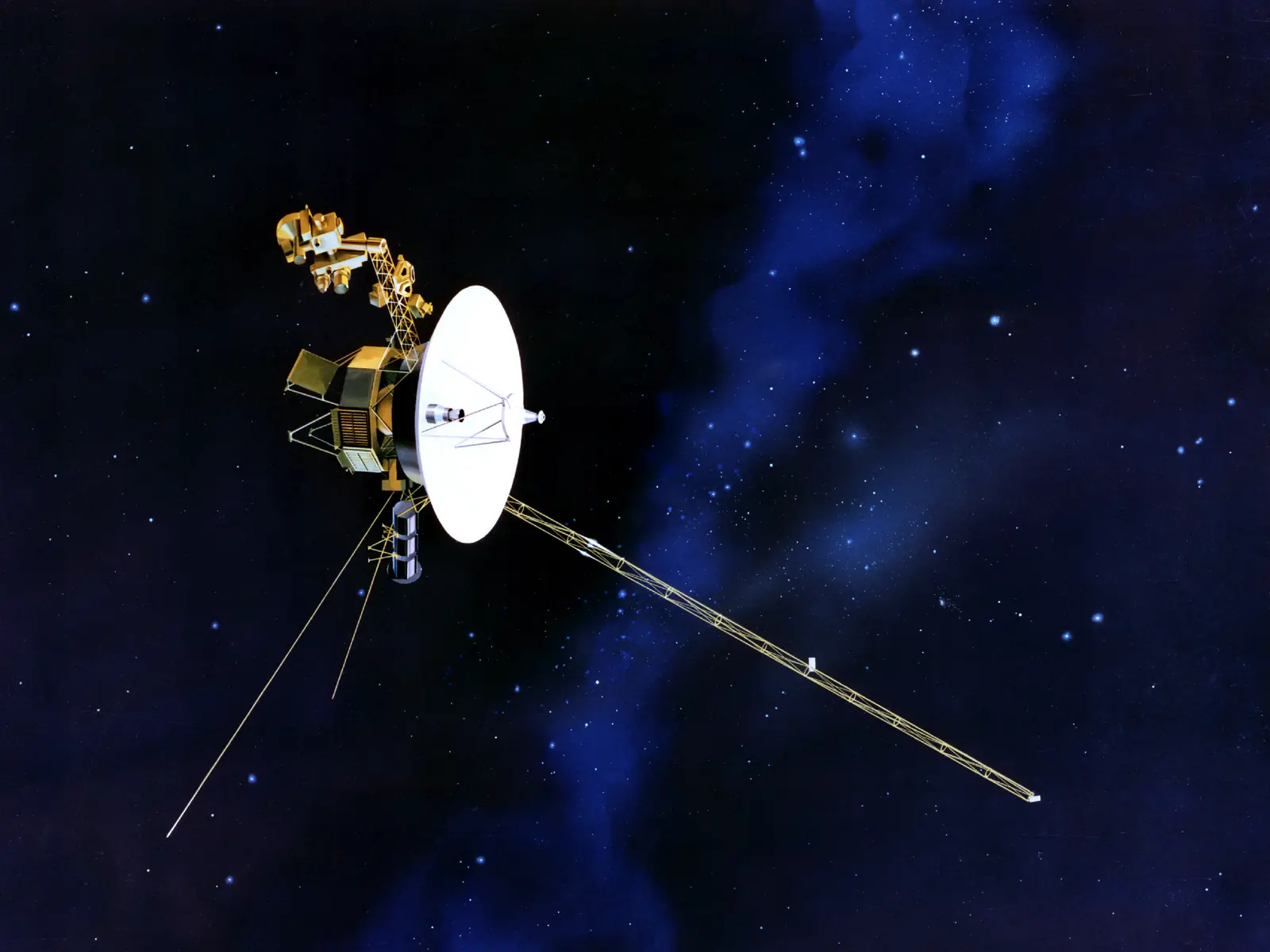
The atmosphere does the opposite of the ground. While the surface takes 243 days to turn once, the cloud tops race around the planet in about four Earth days, a phenomenon called super-rotation. The European Space Agency's Venus Express spacecraft measured average cloud-top winds of about 300 km/h when it arrived in 2006, rising to about 400 km/h over six years. Later observations by Japan's Akatsuki orbiter, published in Science in 2020, suggested that thermal tides driven by sunlight help keep this super-rotation going.
The length of the Venusian day may not even be fixed. In 2012, ESA reported that surface features seen by Venus Express were up to 20 km away from where they should have been according to measurements made by NASA's Magellan orbiter in the early 1990s. They only lined up if a day on Venus is, on average, about 6.5 minutes longer than Magellan had measured. One possible reason is the dense atmosphere, with a surface pressure more than 90 times Earth's, rubbing against the ground and changing the rotation rate over time.
All of this happens on the hottest planet in the solar system, with a surface temperature of about 460°C, hot enough to melt lead. Venus is the planet most similar to Earth in size, but in almost every other way, it is a very strange place to spend a day. Or a year.
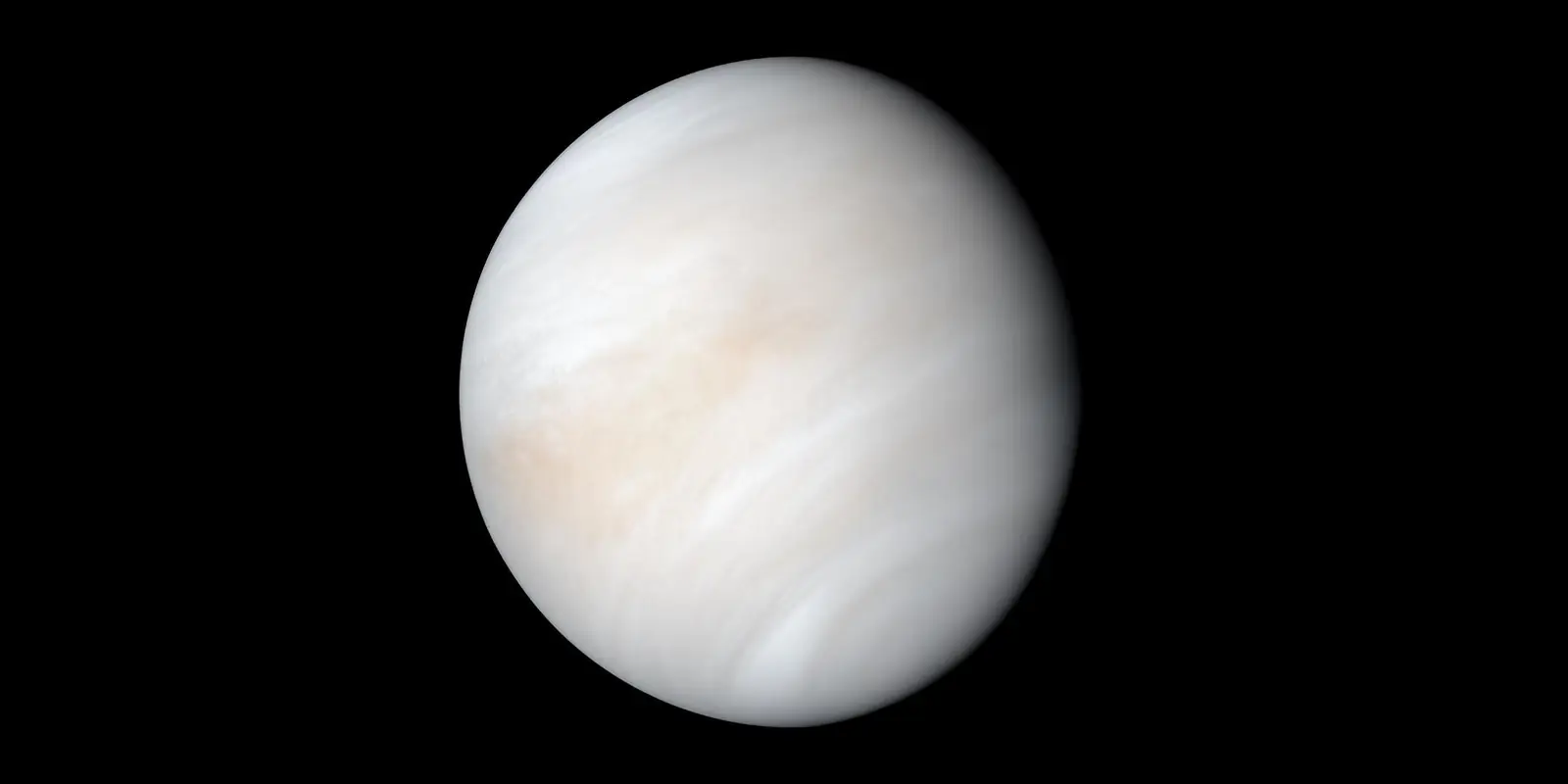
Sources: NASA Science (Venus facts), NASA NSSDCA Venus Fact Sheet, NASA Space Place, Natural History Museum (London), Correia & Laskar, Nature (2001), ESA ("Could Venus be shifting gear?" and "The fast winds of Venus are getting faster"), Horinouchi et al., Science (2020). Cover.jpg): Venus as seen by Mariner 10 in 1974, reprocessed by NASA/JPL-Caltech, public domain.