天王星闻起来像臭鸡蛋:躺着转的行星云层里藏着什么气体
 Detetive Curioso
·3 分钟阅读·太空·32 次浏览
2018年,天文学家证实天王星的云层含有硫化氢,也就是臭鸡蛋气味的来源。这一发现揭示了这颗行星的诞生过程。
本文尚未翻译。
If you could stick your nose into the clouds of Uranus, you would smell rotten eggs. It is not a joke about the planet's name: in 2018, a team of astronomers confirmed that the top of its clouds contains hydrogen sulfide, the gas that gives rotten eggs their unmistakable stench.
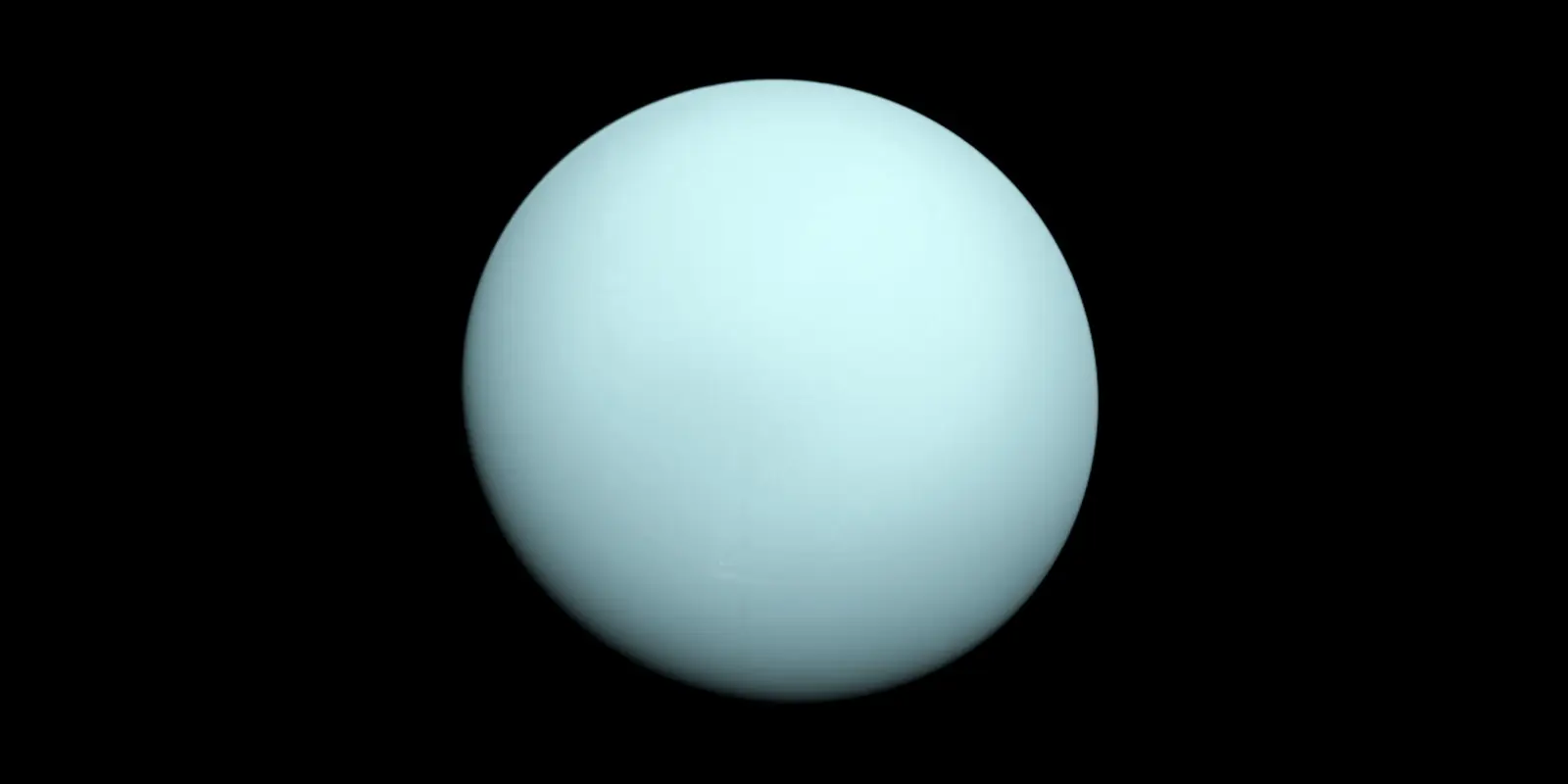
Uranus is the seventh planet from the Sun and one of the two ice giants of the solar system, along with Neptune. Its blue-green color comes from methane, which absorbs the red part of sunlight. It is also the planet that rolls around the Sun on its side, with its axis tilted almost 98 degrees, which gives each pole a dark winter about 21 years long. With a minimum temperature of 49 kelvin, or about -224 °C, its atmosphere is one of the coldest in the solar system.
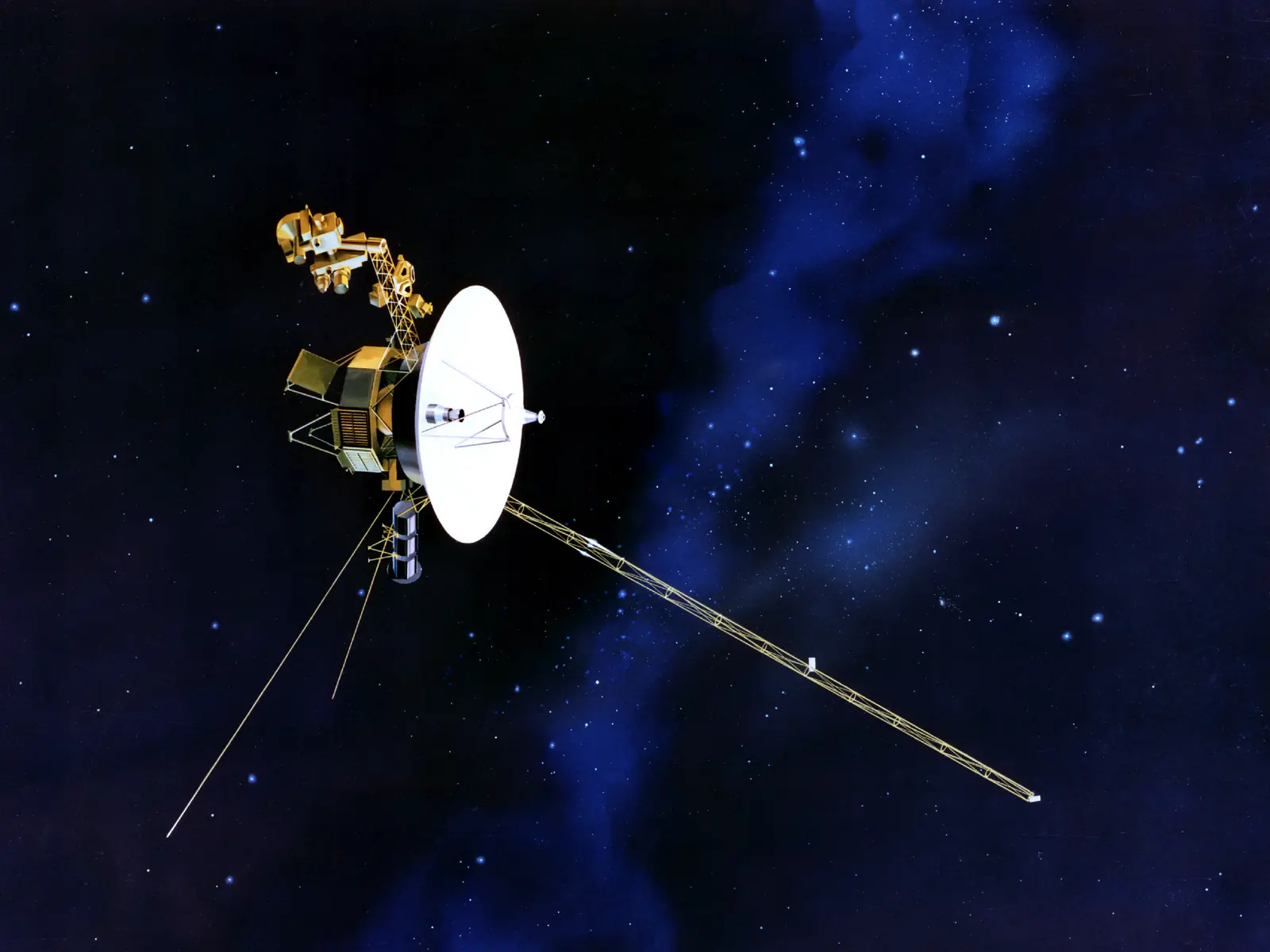
Only one spacecraft has ever visited it: Voyager 2, the twin of Voyager 1, which flew past on January 24, 1986. Even after that flyby, one basic question remained open. What were its clouds made of? Astronomers had long debated whether the main cloud layer was mostly ammonia ice or hydrogen sulfide ice, but nobody had found definitive proof either way.
The answer came from Hawaii. Patrick Irwin, of the University of Oxford, and colleagues analyzed infrared light from Uranus collected by the 8-meter Gemini North telescope, on Maunakea, with an instrument originally designed to study the surroundings of black holes in distant galaxies. Just above the main cloud deck, they found the faint signature of hydrogen sulfide gas, at about 0.4 to 0.8 parts per million. "We have the fingerprint which caught the culprit," Irwin said. The result, published in Nature Astronomy, suggests that the clouds themselves are largely made of hydrogen sulfide ice.
It is more than a curiosity. On Jupiter and Saturn, the upper clouds are made of ammonia ice, and no hydrogen sulfide is seen above them. According to planetary scientist Leigh Fletcher, of the University of Leicester, the difference was likely imprinted when the planets formed, because the balance between nitrogen and sulfur depended on the temperature and location where each giant was born. That makes the smell of Uranus a clue to where it came from and how the giant planets may have migrated.
Would a visitor actually smell it? Irwin answered that too: "If an unfortunate human were ever to descend through Uranus's clouds, they would be met with very unpleasant and odiferous conditions." But the stench would be the least of their problems. Suffocation and the -200 °C atmosphere of hydrogen, helium and methane would kill them long before the smell did. Here on Earth, at least, the sky smells better: the smell of rain even has its own name, petrichor.
Sources: Irwin et al., Nature Astronomy (2018); Gemini Observatory; NASA Science (Uranus facts); NASA Voyager fact sheet. Cover: Uranus photographed by Voyager 2 in 1986, NASA/JPL-Caltech, Wikimedia Commons, public domain.