Bubble Wrap was invented as wallpaper, and nobody wanted it
 Detetive Curioso
·3 min read·Pop Culture·87 views
In 1957, two engineers sealed two shower curtains together hoping to sell textured wallpaper. The idea flopped. The packaging did not.
In 1957, in a garage in Hawthorne, New Jersey, two engineers were trying to make something stylish. Alfred W. Fielding, an American mechanical engineer, and Marc Chavannes, a Swiss chemical engineer, wanted to create a new kind of textured wallpaper: a modern, three-dimensional wall covering aimed at the trendy Beat generation of the time.
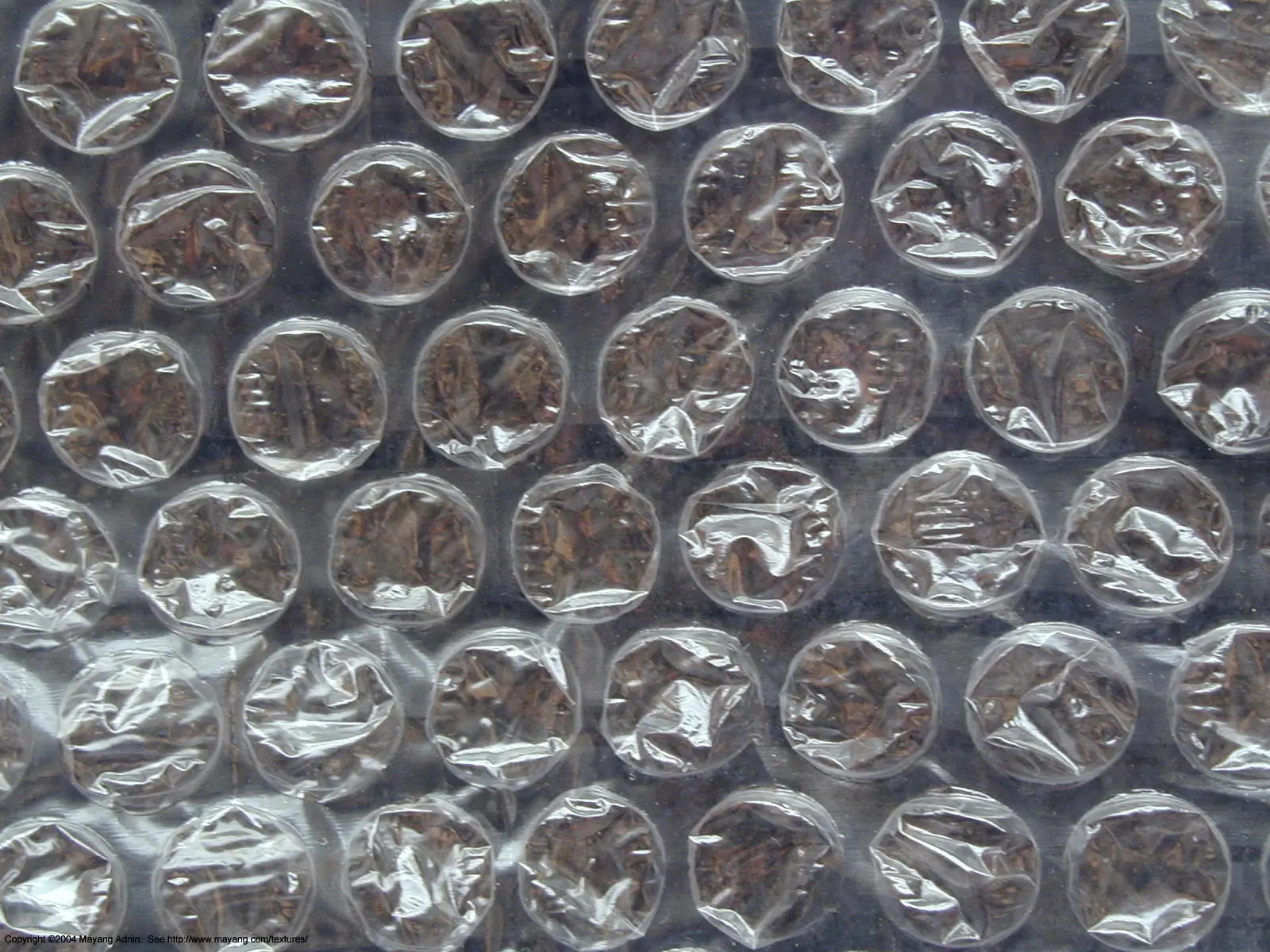
Their method was surprisingly homemade. They ran two plastic shower curtains through a heat-sealing machine, trapping pockets of air between the layers. The result was a sheet covered in small bubbles. As wallpaper, it was a failure. Interior designers were not interested, and nobody wanted bubbles on their walls.
Fielding and Chavannes did not give up on the material. Its light weight and the insulating air inside the bubbles suggested other uses, and they tried selling it as insulation for greenhouses. In 1960 they founded the Sealed Air Corporation, registered trademarks including Bubble Wrap and AirCap, and obtained their first patent for the process. In all, they were granted six patents related to the invention. Not every inventor was so lucky: Lizzie Magie patented the game that became Monopoly in 1904 and got only $500 for it.
The breakthrough came from the computer industry. IBM had recently launched the IBM 1401, a machine so successful that it has been called the Model T of the computer industry, and it needed a way to ship the delicate computers without damage. In the early 1960s, a Sealed Air salesman, Frederick W. Bowers, persuaded IBM to try the air cushioning. It worked. IBM could ship its computers safely, other companies followed, and the failed wallpaper became the standard way to protect fragile goods.
Today Sealed Air is a multinational company, and Bubble Wrap is one of those brand names people use for any similar product. It has also become a pop culture object in its own right. Popping the bubbles is so satisfying that it has its own unofficial holiday: Bubble Wrap Appreciation Day, on the last Monday of January. It began in 2001 at a radio station in Bloomington, Indiana, after a delivery of microphones packed in the material picked up the sound of bubbles popping on air, and listeners loved it.
That affection was put to the test in 2015, when Sealed Air introduced iBubble Wrap, a version that ships flat and is inflated with a pump, with bubbles connected in columns so they do not burst easily. The news set off an online backlash from people afraid of losing their favorite stress reliever, until the company promised it would keep making the classic, poppable version.
Fielding's son Howard later recalled that, as a five-year-old, he may have been the first person ever to pop Bubble Wrap just for fun. He was not the last.
Sources: Sealed Air (company history and Bubble Wrap brand pages), Smithsonian Magazine ("The Accidental Invention of Bubble Wrap"), H.W. Fielding family history, The New York Times City Room (2010), CNBC, CNN, The Wall Street Journal (2015). Cover: Bubble Wrap close-up, by Consequencefree, Wikimedia Commons, CC BY-SA 3.0.